
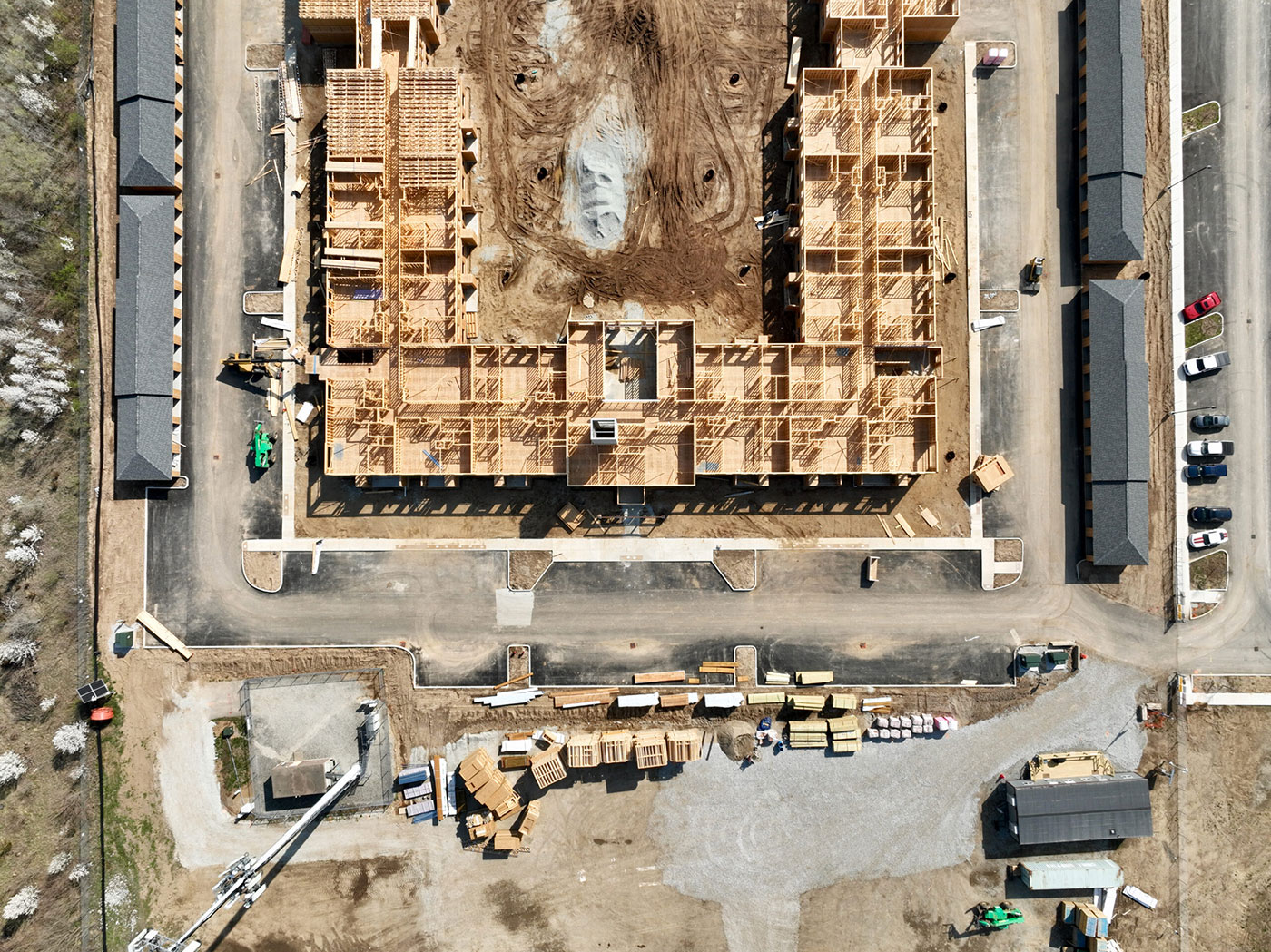
Feasibility
Feasibility and upfront capital
Upfront capital from a monetized TIF allows a project to absorb costs it could not otherwise carry.
- Outright purchase of TIF and incentive bonds at competitive valuations
- Flexible structuring across the capital stack, from senior to gap funding
- Decisive diligence — most valuations returned within days, funded in weeks
- Discretion and continuity from first call through closing
The “But For” Test
Real estate development infeasible, without TIF.
“But For” standards
A municipality may require certain architectural standards, infrastructure improvements, or additional community assets like park improvements or parking garages — all raising project costs beyond feasibility. If the project cannot move forward “but for” the creation of a TIF incentive, the municipality and developer can work together to create a TIF district to support it, usually beginning with a detailed pro-forma, costs, and conceptual designs.
Municipal requirements
Municipalities are careful when providing TIF incentives, as future property taxes are captured to pay the bondholder rather than collected for governmental use. The project must be advantageous to the community's vision for the area. TIFs are usually approved at the local level, with state law governing the increment and the financing available — Hageman Capital works through those requirements alongside developers and their municipal counsel.
Approval & Issuance
The TIF approval and issuance process.
After submitting a development plan with the required documentation, and negotiating the general terms of an Economic Development Agreement with the appropriate redevelopment commission, most municipalities are ready to move a TIF proposal through hearings for approval. The process varies by state and municipality.
Commissions & development areas
Separate governing bodies may be created to manage the specific sites targeted for economic growth, charged with reviewing and approving declaratory resolutions and development plans.
Public hearing on TIF awards
With plans and resolutions initially approved, governing bodies may hold public hearings for confirmation, modification or rescinding of development plans.
Filings to the county auditor
If established and confirmed, filings are then made to the county auditor and local government finance offices.
Bond creation and issuance
With plans, resolutions and filings approved and submitted, the TIF bond is ready to be issued for the planned development.
How TIF is created and used
Anytown USA needs development
Anytown, USA has a vacant lot downtown that has stayed unoccupied for years. The Mayor of Anytown realizes that if a new building were to be built on that lot, it would pay more taxes in the future than the current vacant land would. The Mayor and City council believes that a 200 unit apartment building, and some first floor restaurants will help drive activity to downtown, and possibly promote future development in their town.
However, ABC Development Co (a local developer), is not interested in developing such a large project on this parcel right now. The costs of building materials have been increasing, and because of the lower rents in the area, the returns this apartment will generate for their investors does not make sense for them to start the project in the first place. There exists a financing gap between the current cost, and what a project needs to cost for the developer to start the project.
To bridge the development gap, and to incentivize ABC Development Company to build this apartment (which would increase the taxes the Town would collect), Anytown is allowing ABC to capture 90% of the future taxes of their development for 25 years, but only taxes above and beyond the current taxes (the “Tax Increment”), and use a debt instrument to secure that cash flow (the “Financing” and the “Bond”).
ABC Development Company then finds an investor willing to buy the Bonds for a lump sum on that potential future cash flow to provide the necessary capital to fill the development gap.
Because of the TIF, the apartment building is able to be completed, and generate more than enough tax increment revenue to support the TIF bond investor’s yearly debt service. The project is a huge success, and Anytown is able to keep the additional incremental tax revenues to support and fund other projects.
After the bond investor is paid off in 25 years, Anytown keeps the full amount of taxes that will be generated from the project, and adds it to their existing tax base for future generations. This is how Tax Increment Financing allows for new development that would have never been able to take place to become viable for a developer.
More TIF Expertise
Recent resources.
Structuring Your TIF: What It Means for Nebraska and Municipal Finance Advisors
For Nebraska municipal financial advisors, structuring a TIF Bond that a capital provider can purchase requires navigating the Community Development Law’s specific…
TIF Expertise: Common Pitfalls for Nebraska Economic Development Directors to Avoid
Nebraska ED Directors working within the Community Development Law have a proven TIF framework — but Nebraska’s unique procedural requirements create specific…
TIF Expertise: Common Pitfalls for Nebraska Municipal Finance Advisors to Avoid
Nebraska’s Community Development Law creates a defined TIF framework with unique characteristics that shape your financial analysis. Here are the pitfalls Hageman…
Capital and Structuring for TIF
Feasibility improves as contributed equity falls.
Hageman Capital is a private source of TIF capital. The firm's real estate and financial expertise is applied to valuing the bond and structuring the transaction so that the maximum share of the incentive reaches the project.